Renaissance Royal Pet Portrait Style Explained
September 8, 2026 · 5 min read
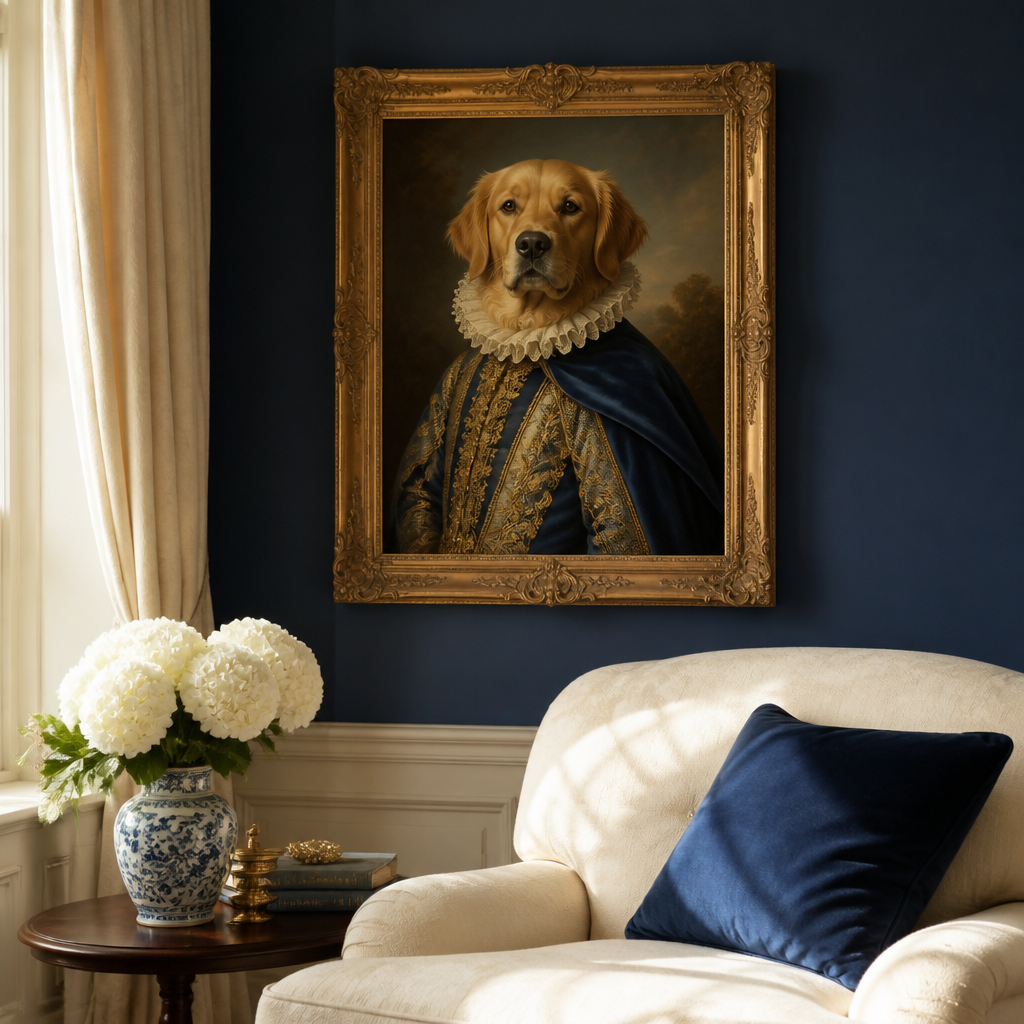
The Renaissance royal pet portrait style has emerged as one of the most beloved aesthetics in custom pet art. Characterized by rich oil paint textures, theatrical chiaroscuro lighting, and elaborate historical garments, this style reimagines domestic dogs and cats as monarchs, generals, and aristocrats. Far from a simple digital filter, an authentic royal portrait relies on classic artistic principles established during the 15th through 17th centuries. Understanding the key visual cues, color palettes, and lighting techniques of this genre helps pet owners choose the right portrait style and select the perfect reference photo for a timeless custom artwork.
The Historical Roots of Courtly Animal Art
During the Renaissance and Baroque periods, European monarchs frequently commissioned portraits that conveyed authority, wealth, and elegance. Artists like Titian, Peter Paul Rubens, and Anthony van Dyck refined techniques that emphasized rich textiles, dramatic lighting, and deep background tones.
While pets often appeared alongside noble figures in historic court paintings, modern custom pet art flips the traditional narrative. By making the animal the sole subject dressed in period regalia, artists create a humorous yet strikingly dignified tribute that honours the pet's central place in the modern home.
Key Visual Elements of the Royal Aesthetic
A true Renaissance-style pet portrait is defined by specific painterly elements that differentiate it from modern photographic art or minimal illustrations.
- Deep oil textures featuring subtle brushstrokes and canvas grain
- Rich color palettes of emerald, crimson, navy, and gilded gold
- Elaborate period clothing including lace ruffs, velvet cloaks, and epaulets
- Muted architectural or dramatic curtain backdrops that create atmospheric depth
- High-contrast lighting that highlights facial expression and fur texture
Chiaroscuro: The Power of Light and Shadow
Central to Renaissance fine art is chiaroscuro—the strong contrast between light and dark areas. In a royal pet portrait, light is focused deliberately on the pet's face, chest, and eyes, while the edges of the body and background drop into warm, dark shadow.
This lighting technique creates three-dimensional depth and draws immediate attention to your pet's subtle expressions. It transforms a standard pet photo into an oil painting aesthetic that feels dramatic and museum-worthy.
Matching Regalia to Your Pet’s Personality
The charm of a royal custom portrait comes from aligning historical garments with your pet's distinct character. A calm, dignified dog might suit a heavy velvet cloak with golden embroidery, whereas a poised cat might wear a ruffled lace neckpiece fit for a duchess.
Professional digital artists carefully adjust the scale, collar placement, and perspective of the clothing to fit the pet's natural posture, ensuring the final piece looks seamlessly painted rather than pasted together.
Digital Craftsmanship vs. Automated Filters
Creating a convincing Renaissance portrait requires skilled digital painting rather than automated app presets. Artists manually blend the seams between the original photo and the digital canvas, painting custom fur details over the collar lines and adjusting shadows to match the lighting of the outfit.
Reviewing an artist-created digital proof allows owners to verify that eye color, ear structure, and fur highlights remain true to life while achieving the desired antique aesthetic.
Framing and Displaying Historic Art in Modern Homes
Due to their dark tones and warm highlights, Renaissance pet portraits serve as sophisticated focal points in contemporary interior design. They pair exceptionally well with warm luxury interiors featuring dark wood, cream walls, or rich blue accents.
To complete the classic look, choose high-resolution 300 DPI canvas prints paired with ornate gold frames or minimalist dark wood mouldings that complement the deep background shades of the painting.
The Renaissance royal pet portrait style combines historic oil painting techniques with custom digital craftsmanship, turning your pet into a regal focal point for your home.
Where to go next
- Royal Pet Canvas — Sizes from 8×10 to 24×36 inches.
- Morning Ritual Pet Mug — An affordable add-on gift.
- Keepsake Pet Keychain — Pocket-sized and giftable.
- How it works — Upload, artwork, email proof approval, then printing and delivery — step by step.
- Pet memorial keepsakes — The full memorial collection: canvases, blankets, pillows and inscriptions in one place.
- Partner & affiliate program — For vet clinics, groomers, cremation services and creators — 15% commission, zero inventory.
- Customer FAQ — Turnaround times, proof approval, shipping, revisions and refunds answered in full.
Related reading
6 min read
Best Custom Pet Memorial Canvas: How to Choose Size, Style and Wording
What actually makes a memorial canvas worth hanging — size for the wall, a forgiving style, and wording you will still like in ten years.
6 min read
Can You Make a Pet Portrait From an Old or Blurry Photo?
Usually yes. Here is what can be rebuilt by hand, what cannot, and how to give a weak photo the best chance.
5 min read
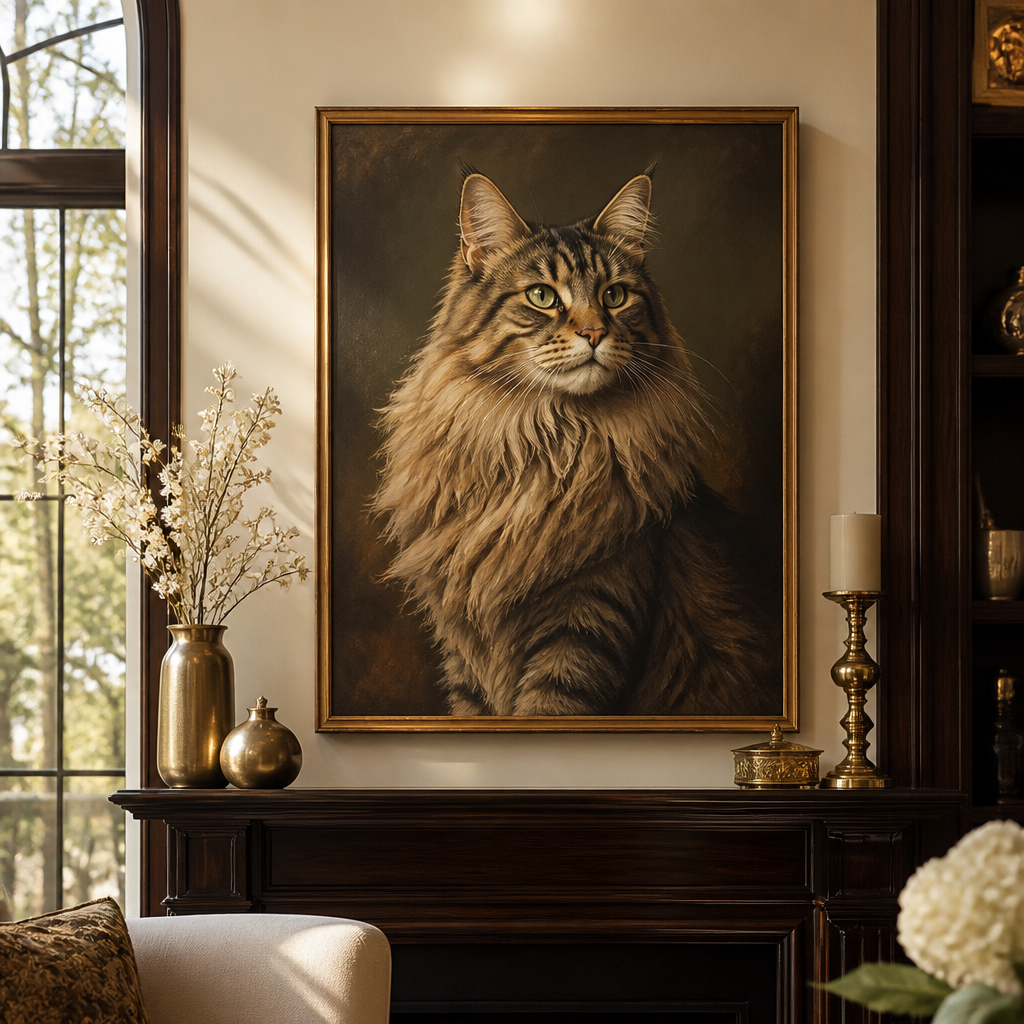
How to Choose the Best Photo for a Custom Cat Portrait
Selecting the ideal reference image ensures your custom cat portrait captures every unique feature, from whisker detail to eye expression. Here is what to look for.